The Critical Importance of Routine Maintenance and Inspection for Commercial Warehouses in the Dallas-Fort Worth Area
When it comes to protecting your commercial investment in the Dallas-Fort Worth metroplex, few things are as crucial as maintaining the structural integrity of your warehouse or storage facility. The roof over your head isn’t just another component of your building—it’s the first line of defense against Texas’s notoriously unpredictable weather patterns, from scorching summer heat to sudden hailstorms and severe thunderstorms that can develop with little warning.
For warehouse owners, facility managers, and property investors throughout the DFW area, understanding the importance of routine maintenance and inspection isn’t just about preventing leaks. It’s about protecting inventory, ensuring business continuity, maintaining property values, and avoiding catastrophic failures that can shut down operations for weeks or even months.
Why Dallas-Fort Worth Warehouses Face Unique Roofing Challenges
The Dallas-Fort Worth metropolitan area presents a unique set of environmental challenges for commercial roofing systems. The region’s climate is characterized by extreme temperature fluctuations, intense UV exposure during long summer months, sudden severe weather events, and the ever-present threat of hail damage that can compromise even the most robust roofing systems.
Commercial warehouses in cities like Arlington, Irving, Plano, Garland, and throughout Tarrant and Dallas counties face additional stressors due to their typical flat or low-slope roof designs. These roofing systems, while cost-effective and practical for large-scale storage facilities, require diligent maintenance to prevent water pooling, membrane degradation, and structural damage that can develop over time.
Temperature swings in North Texas can exceed 40 degrees in a single day, causing roofing materials to expand and contract repeatedly. This constant movement can create stress points, loosen fasteners, and eventually lead to membrane separation or cracking. When you factor in the region’s severe weather patterns—including the devastating hailstorms that strike the metroplex several times each year—the need for professional oversight becomes abundantly clear.
Working with an experienced commercial roofer who understands these regional challenges is essential for developing a comprehensive maintenance strategy that addresses the specific threats your facility faces.
The Hidden Costs of Deferred Maintenance
One of the most common mistakes warehouse owners make is viewing roof maintenance as an optional expense that can be postponed during tight budget cycles. This short-term thinking often leads to long-term financial consequences that far exceed the cost of regular inspections and preventive repairs.
Consider the cascading effects of a single undetected leak in a commercial warehouse. Water infiltration doesn’t just damage the roofing membrane—it compromises insulation, reduces energy efficiency, creates conditions for mold growth, damages stored inventory, corrodes HVAC systems and electrical components, weakens structural supports, and can even create liability issues if employees or visitors are injured due to water damage or mold exposure.
A small leak that could be repaired for a few hundred dollars during a routine inspection can quickly escalate into a crisis requiring tens of thousands of dollars in emergency repairs, inventory replacement, and business interruption costs. In severe cases, extensive water damage can force a complete roof replacement years before the system’s expected lifespan, representing a major unplanned capital expenditure.
The financial impact extends beyond immediate repair costs. Insurance premiums often increase after major claims, and some insurers may refuse to cover preventable damage that resulted from inadequate maintenance. Property values can decline if potential buyers discover deferred maintenance issues during due diligence. Energy costs increase as wet insulation loses its R-value, forcing HVAC systems to work harder to maintain temperature control.
Perhaps most critically, business interruption can devastate your bottom line. When a warehouse roof fails, operations may need to cease entirely while repairs are completed. Inventory may need to be relocated, shipments delayed, and customer commitments broken. For businesses operating on thin margins or just-in-time inventory systems, even a few days of downtime can have serious competitive and financial implications.
What a Comprehensive Roof Inspection Should Include
A professional commercial roof inspection goes far beyond a simple visual check from ground level. When you engage a qualified commercial roofer for routine inspections, you should expect a thorough evaluation that includes both interior and exterior assessments.
Exterior inspections should examine the entire roofing membrane for punctures, tears, blisters, or areas of separation. Inspectors should check all seams and joints for proper adhesion, as these are common failure points. Flashing around roof penetrations like vents, pipes, skylights, and HVAC units requires special attention, as improper installation or degradation of flashing is one of the leading causes of commercial roof leaks.
Drainage systems deserve careful scrutiny during every inspection. Gutters, downspouts, and roof drains must be clear of debris to ensure proper water flow. Even minor blockages can lead to standing water, which accelerates membrane degradation and increases the risk of catastrophic failure. Scuppers and overflow drains should be tested to confirm they’re functioning correctly.
The roof deck itself needs evaluation for signs of sagging, soft spots, or structural damage that could indicate underlying problems. Fasteners should be checked to ensure they remain secure and haven’t backed out due to thermal cycling or wind uplift. Edge metal, copings, and parapets require inspection for proper attachment and condition.
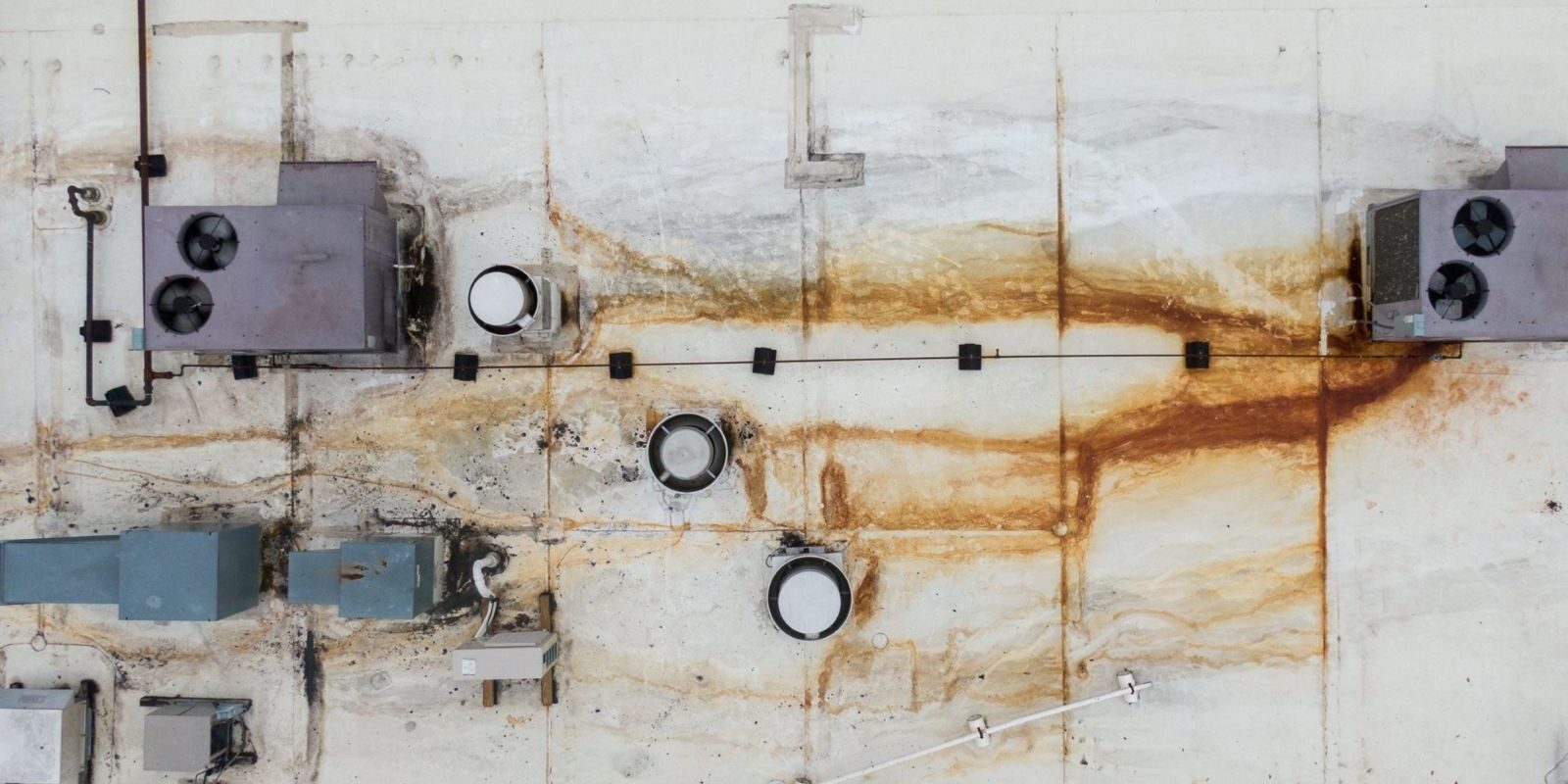
Interior inspections are equally important and often reveal problems before they’re visible from above. Look for water stains on ceilings, walls, and support columns. Check insulation in accessible areas for moisture or compression. Examine the underside of the roof deck for rust, rot, or other signs of water infiltration. Even if you don’t see active leaking, evidence of past moisture intrusion should prompt immediate investigation.
A quality inspection also includes photographic documentation of all findings, complete with detailed notes about location and severity. This creates a baseline for future comparisons and helps track the progression of any identified issues. Your inspector should provide a comprehensive written report prioritizing needed repairs and estimating remaining service life for major components.
Recommended Maintenance Schedules for DFW Warehouses
The frequency of roof inspections should be tailored to your facility’s specific circumstances, but general guidelines can help warehouse owners develop an appropriate maintenance schedule. Most roofing professionals recommend at least two comprehensive inspections per year for commercial warehouses—typically in spring and fall.
Spring inspections, ideally conducted in March or April, allow you to assess any damage from winter weather and prepare for the severe weather season that peaks in North Texas from April through June. This timing enables you to address vulnerabilities before they’re tested by hailstorms and heavy rain.
Fall inspections, scheduled for September or October, help identify issues that developed during the brutal summer months when UV exposure and thermal stress are most intense. These inspections also prepare your roof for winter, when freeze-thaw cycles can exacerbate existing problems.
Beyond these biannual inspections, additional checks should be scheduled after any significant weather event. If your warehouse experiences a hailstorm, high winds, or heavy rainfall, arrange for a professional assessment as soon as safely possible. Even if you don’t see obvious damage, impacts and stresses may have created vulnerabilities that will worsen over time if not addressed promptly.
Older roofing systems or those approaching their expected service life may benefit from quarterly inspections. Similarly, if previous inspections have identified areas of concern, more frequent monitoring ensures problems don’t accelerate unexpectedly.
Don’t overlook the value of informal visual checks between professional inspections. Facility managers or maintenance staff can conduct basic walkthroughs monthly, looking for obvious issues like debris accumulation, standing water after rain, or visible damage. While these informal checks don’t replace professional inspections, they can catch developing problems early and prompt timely intervention.
Working with a trusted commercial roofer who offers scheduled maintenance programs can simplify this process significantly. Many roofing contractors provide service agreements that include regular inspections, priority scheduling for repairs, and discounted rates for customers who commit to ongoing maintenance relationships.
TPO Roofing Systems: A Popular Choice for DFW Warehouses
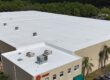
Thermoplastic Polyolefin, commonly known as TPO, has become one of the most popular roofing solutions for commercial warehouses throughout the Dallas-Fort Worth area. This single-ply roofing membrane offers an excellent balance of performance, durability, and cost-effectiveness that makes it particularly well-suited to the demands of warehouse and storage facility applications.
TPO roofing systems feature a white reflective surface that significantly reduces heat absorption compared to darker roofing materials. In the intense Texas sun, this reflectivity can substantially lower cooling costs by reducing the heat island effect and keeping interior temperatures more manageable. Energy savings of 20-30% are commonly reported for warehouses that switch from dark roofing materials to white TPO systems.
The material’s inherent resistance to UV radiation, ozone, and chemical exposure makes it ideal for the DFW climate and industrial environments. TPO membranes maintain their flexibility across a wide temperature range, which is crucial for handling the dramatic temperature swings common in North Texas. Unlike some older roofing technologies that become brittle in cold weather or soft in extreme heat, TPO remains stable and resilient year-round.
Installation of TPO roofing is relatively straightforward for experienced commercial roofing contractors. The membrane comes in wide sheets that are mechanically fastened or fully adhered to the roof deck, then seamed together using hot-air welding. This welding process creates seams that are actually stronger than the membrane itself, providing excellent wind uplift resistance—a critical consideration in an area prone to severe thunderstorms and occasional tornadoes.
From a maintenance perspective, TPO systems are relatively forgiving. The smooth, non-porous surface resists dirt accumulation and algae growth. Minor damage can often be repaired with patches or heat welding rather than requiring extensive membrane replacement. Regular inspections by a qualified commercial roofer can identify small issues before they compromise the system’s integrity.
TPO roofing also offers environmental benefits that appeal to sustainability-focused warehouse operators. The material is recyclable at the end of its service life, and its energy efficiency reduces carbon footprints throughout its operational lifetime. Some TPO products meet ENERGY STAR and Cool Roof Rating Council requirements, potentially qualifying for tax incentives or utility rebates.
Flat Roof Considerations for Storage Facilities
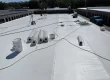
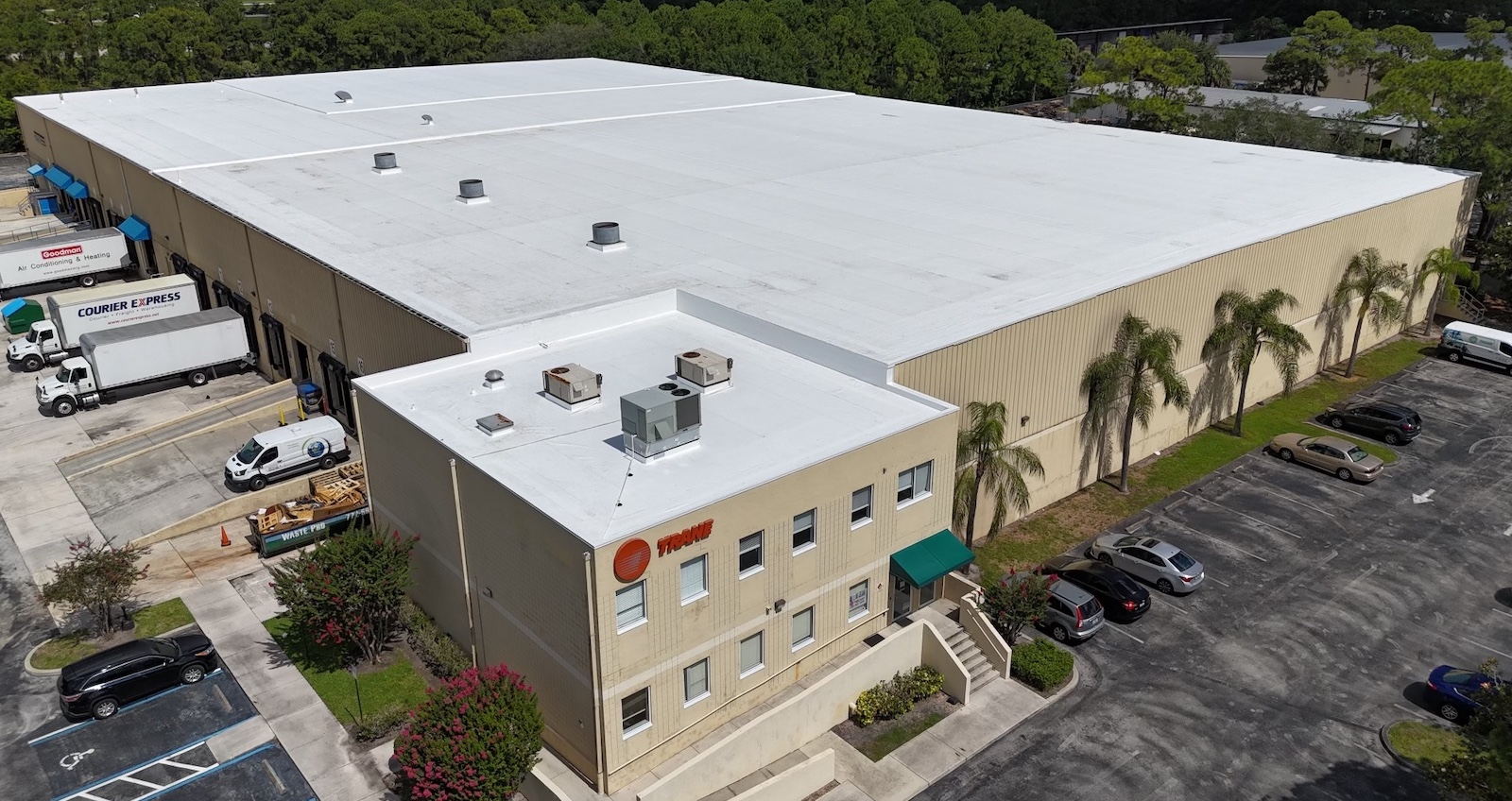
The majority of commercial warehouses and storage facilities in the Dallas-Fort Worth area utilize flat or low-slope roofing systems. While the term “flat roof” is commonly used, these roofs actually incorporate a slight slope to facilitate drainage—typically a minimum of 1/4 inch per foot. Understanding the unique characteristics and maintenance requirements of these systems is essential for warehouse owners.
Flat roofs offer several advantages for warehouse applications. They provide usable space for HVAC equipment, solar panels, or other mechanical systems, keeping this equipment off the ground and out of the way. The design allows for easier expansion if you need to add square footage to your facility. Installation and initial construction costs are generally lower than for pitched roofing systems on buildings of comparable size.
However, flat roofs also present specific challenges that require diligent attention. Drainage is the primary concern—any area where water can pool becomes a vulnerability. Standing water accelerates membrane degradation, adds weight that can stress structural supports, freezes and expands in winter weather, and creates opportunities for leaks to develop.
Modern flat roofing systems employ various membrane technologies, each with distinct characteristics. Built-up roofing (BUR) uses multiple layers of reinforcing fabric and bitumen, topped with aggregate. Modified bitumen systems incorporate polymer-modified asphalt in sheet form. Single-ply membranes like TPO, PVC, and EPDM offer lightweight, durable solutions with different performance characteristics.
Regardless of which membrane type your warehouse uses, proper drainage design and maintenance are non-negotiable. Roof drains must be positioned at low points and kept clear of debris. Scuppers and overflow provisions prevent catastrophic failure if primary drains become blocked. The roof deck should be constructed with adequate slope to direct water toward drainage points.
Regular inspections should pay special attention to areas prone to ponding. While some standing water immediately after heavy rain is normal, any water remaining 48 hours after rainfall indicates a drainage problem that needs correction. Ponding water can be addressed through various methods, including adding tapered insulation to improve slope, installing additional drains, or in severe cases, structural modifications to the deck itself.
Flat roof maintenance also includes attention to roof membrane seams and penetrations. Every vent pipe, HVAC curb, skylight, and other penetration through the roof membrane represents a potential leak point. Flashing around these features must be properly installed and maintained. Seams between membrane sections require regular inspection to ensure they remain sealed.
Working with an experienced commercial roofer who specializes in flat roofing systems ensures your warehouse receives the attention it needs. These professionals understand the nuances of different membrane types, can identify subtle drainage issues before they become major problems, and know how to prioritize repairs for maximum protection and cost-effectiveness.
The Role of Emergency Roofing Services
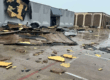
Despite the best preventive maintenance efforts, roofing emergencies can still occur. Severe weather doesn’t consult your schedule, and when a hailstorm, tornado, or violent thunderstorm strikes the Dallas-Fort Worth area, damage can happen in minutes. Having access to reliable emergency roofing services can mean the difference between a minor inconvenience and a business-disrupting catastrophe.
Emergency situations requiring immediate response include active leaks threatening inventory or equipment, storm damage that has compromised the roof’s weather-tightness, structural damage creating safety hazards, and situations where waiting until business hours would allow problems to worsen significantly.
When emergencies strike, the first priority is protecting your property and inventory from further damage. This often involves temporary measures like tarping damaged areas, setting up emergency drainage, or creating barriers to prevent water from reaching sensitive areas. While these steps don’t constitute permanent repairs, they stabilize the situation and buy time for proper assessment and repair planning.
The value of a 24/7 emergency response capability cannot be overstated. Severe weather often strikes outside normal business hours—late at night, on weekends, or during holidays. Water damage accelerates rapidly, and every hour of delay can increase the scope and cost of necessary repairs. Having a commercial roofer available around the clock means you can respond immediately rather than watching helplessly as your facility sustains additional damage.
Emergency services should include rapid response times, typically within a few hours of your call. Technicians should arrive equipped for temporary weather protection and initial damage assessment. They should be able to make emergency repairs to stop active leaking while developing a plan for comprehensive permanent repairs.
Documentation is crucial during emergency situations. Your roofing contractor should photograph all damage, note the extent of affected areas, and provide detailed assessments that support insurance claims. This documentation protects your interests and streamlines the claims process, helping you recover costs and restore your facility as quickly as possible.
After the immediate emergency is addressed, your roofing contractor should work with you to schedule permanent repairs at the earliest opportunity. Emergency patches and tarps are temporary solutions—they prevent further immediate damage but don’t restore your roof to its full protective capability. Timely permanent repairs minimize business disruption and prevent the temporary fixes from failing before permanent work can be completed.
Building a relationship with a commercial roofing company before you need emergency services provides peace of mind and can accelerate response when problems arise. Companies that already know your facility, your roofing system, and your specific needs can respond more effectively than contractors encountering your property for the first time during a crisis.
The Value of Free Commercial Estimates
When considering roof repairs, maintenance programs, or replacement projects for your warehouse or storage facility, obtaining detailed estimates is an essential first step. Professional commercial roofing contractors typically offer free, no-obligation estimates that provide valuable information even if you’re not ready to proceed immediately.
A comprehensive commercial roofing estimate should include much more than just a bottom-line price. Expect a detailed description of all work to be performed, specifications for materials including manufacturer and product line, labor costs broken down by task, estimated project timeline, warranty information for both materials and workmanship, and payment terms and schedules.
Quality estimates are based on thorough site inspections. Your roofing contractor should physically examine your roof, take measurements, assess current conditions, identify any structural or substrate issues, evaluate access and logistics considerations, and discuss your specific needs and concerns. Estimates based on satellite imagery or cursory drive-by assessments rarely capture the full scope of necessary work.
Free estimates provide an opportunity to evaluate potential contractors before committing to a business relationship. Pay attention to how thoroughly they inspect your property, whether they ask detailed questions about your operations and concerns, the professionalism of their presentation and documentation, their willingness to explain technical aspects in understandable terms, and their responsiveness to your questions and requests for clarification.
For warehouse owners considering major roofing projects, obtaining multiple estimates is prudent. However, avoid the trap of choosing solely based on price. The lowest bid may reflect cut corners, inferior materials, or a contractor’s inexperience with commercial projects. Similarly, the highest bid isn’t automatically the best value. Focus on the overall package—reputation, experience with similar projects, quality of materials specified, warranty coverage, and your comfort level with the contractor.
Estimates for ongoing maintenance programs deserve special consideration. While these agreements represent recurring expenses, they often provide significant value compared to ad hoc service calls. Look for programs that include scheduled inspections, priority emergency response, discounted repair rates, detailed reporting and documentation, and possibly bundled preventive maintenance services.
Working with a commercial roofer that offers free estimates removes barriers to getting professional assessments of your warehouse’s roofing needs. You can obtain expert insights into your roof’s condition, realistic cost projections for needed work, and professional recommendations without financial commitment. This information empowers better decision-making about when and how to address roofing concerns.
Don’t hesitate to request estimates even if you’re not experiencing immediate problems. Proactive assessments help you plan capital expenditures, budget for future needs, and establish baseline documentation of your roof’s condition. This forward-thinking approach prevents surprises and allows you to address issues on your timeline rather than responding to emergencies.
Developing a Comprehensive Roof Management Strategy
Successful warehouse operators in the Dallas-Fort Worth area recognize that roof management should be a strategic priority rather than a reactive afterthought. Developing a comprehensive approach to roof care protects your investment, optimizes costs over the long term, and minimizes business disruption.
Start by understanding your current roofing system thoroughly. Document the type of membrane, installation date, warranty coverage, previous repairs or modifications, and any known vulnerabilities. This information creates a foundation for all future decision-making about maintenance and repairs.
Establish clear inspection and maintenance schedules as discussed earlier, then actually follow them. It’s easy to let inspections slide when facing budget pressures or operational challenges, but consistency is key to preventive maintenance effectiveness. Consider including roof inspections in your facility’s standard operating procedures or maintenance management software.
Budget appropriately for roof maintenance and repairs. While costs vary based on facility size and roof condition, plan to allocate 10-15% of roof replacement cost annually for ongoing maintenance and repairs. This may seem significant, but it’s far less than the cost of premature replacement or emergency repairs resulting from neglect.
Build relationships with qualified commercial roofing professionals before you need emergency services. Research contractors, check references, verify licensing and insurance, and establish contacts with companies that specialize in commercial warehousing. Having these relationships in place means you can respond quickly when issues arise rather than scrambling to find qualified help during a crisis.
Maintain detailed records of all roofing work, inspections, and issues. This documentation helps track the roof’s condition over time, supports warranty claims if problems develop, provides valuable information for future contractors, and may be required for insurance purposes. Digital photos tagged with dates and locations are particularly valuable for tracking changes over time.
Consider the relationship between your roof and other building systems. HVAC units, solar installations, communication equipment, and other roof-mounted items can affect roofing performance and complicate maintenance. Coordinate with all contractors working on your roof to ensure they understand proper procedures for protecting the roofing membrane.
Plan for eventual replacement even while maintaining your current roof. Commercial roofing systems have finite lifespans, typically 15-30 years depending on material type, installation quality, and maintenance levels. Setting aside funds annually for eventual replacement ensures you’re not caught unprepared when the time comes.
Frequently Asked Questions About TPO and Flat Roof Options
How long does a TPO roof typically last on a commercial warehouse?
TPO roofing systems generally provide 15-25 years of service life when properly installed and maintained. In the Dallas-Fort Worth area, factors like UV exposure, storm damage, and maintenance quality significantly impact longevity. Regular inspections and prompt repairs can help TPO systems reach or exceed their expected lifespan. Some manufacturer warranties extend up to 30 years, though these typically require certified installation by approved contractors and adherence to specified maintenance protocols.
What are the main advantages of TPO over other flat roofing options?
TPO offers several compelling benefits for warehouse applications. The white reflective surface reduces cooling costs significantly compared to darker roofing materials—particularly valuable in Texas’s hot climate. TPO is highly resistant to UV radiation, ozone, and many chemicals common in industrial environments. The heat-welded seams create watertight bonds stronger than the membrane itself, providing excellent weather protection. Installation is relatively quick and cost-effective, and TPO is more environmentally friendly than many alternatives since it’s recyclable and contains no chlorine or plasticizers.
Are flat roofs more prone to leaking than sloped roofs?
Flat roofs aren’t inherently more leak-prone, but they do require more diligent drainage maintenance. The key is ensuring water moves off the roof efficiently rather than ponding. Properly designed flat roofs with adequate slope (minimum 1/4 inch per foot), well-maintained drainage systems, and quality installation perform reliably for decades. The main vulnerability comes when drainage becomes compromised or when maintenance is neglected. Regular inspections by a qualified commercial roofer help identify and address potential problems before leaks develop.
How quickly can TPO roof damage from hail be repaired?
The repair timeline depends on damage extent and weather conditions. Minor hail damage like small punctures can often be repaired in a single day with heat welding or patches. More extensive damage might require membrane section replacement, potentially taking several days. The key is getting damage assessed quickly after storms. Emergency tarping can protect your facility while permanent repairs are scheduled. Many commercial roofing contractors offer priority scheduling for established maintenance customers, ensuring faster response when storm damage occurs.
What’s the cost difference between TPO and other commercial roofing systems?
TPO typically costs $4-8 per square foot installed, positioning it in the mid-range of commercial roofing options. It’s generally less expensive than PVC but more costly than EPDM. However, focusing solely on installation cost misses the bigger picture. TPO’s energy efficiency, durability, and low maintenance requirements often make it the most cost-effective option over the roof’s lifespan. When evaluating options, consider total cost of ownership including energy savings, expected longevity, and maintenance requirements rather than just upfront expense.
Can a flat roof be repaired, or does damage always require full replacement?
Most flat roof damage can be repaired rather than requiring complete replacement. Common repairs include patching punctures or tears, resealing seams, replacing damaged flashing, addressing localized areas of degradation, and fixing drainage issues. The decision between repair and replacement depends on factors like the extent of damage, age of the existing roof, overall system condition, and whether problems are localized or widespread. A professional assessment helps determine the most cost-effective approach for your specific situation.
How do I know when my warehouse roof needs replacement versus just repairs?
Several indicators suggest replacement may be necessary. If your roof is approaching or past its expected lifespan (typically 15-30 years), replacement becomes increasingly prudent. Multiple recurring leaks in different areas often signal systemic failure rather than isolated problems. Widespread membrane deterioration, extensive water damage to insulation or decking, major structural issues, or repair costs approaching 50% of replacement cost all favor replacement. However, a thorough professional assessment is essential—what appears catastrophic might be repairable, or what seems minor might indicate deeper problems requiring replacement.
What maintenance is required for TPO roofing systems?
TPO maintenance is relatively straightforward but must be consistent. Schedule professional inspections at least twice annually and after major weather events. Keep drains, gutters, and scuppers clear of debris to ensure proper drainage. Remove leaves, branches, and other debris from the roof surface. Check and maintain proper sealing around all penetrations like vents and HVAC curbs. Address any identified damage or issues promptly before they worsen. Avoid walking on the roof unnecessarily, and when access is required, use walk pads to protect the membrane. Never allow anyone to work on your roof without ensuring they understand proper TPO handling procedures.
Contact CSI Renovations & Roofing for Professional Warehouse Roofing Services
When it comes to protecting your commercial warehouse or storage facility in the Dallas-Fort Worth area, the quality of your roofing partner matters tremendously. CSI Renovations & Roofing has been proudly serving customers with their roofing needs in the Fort Worth area for over 20 years, bringing unmatched expertise to every commercial project.
Whether you need routine inspections, preventive maintenance, emergency repairs, or complete roof replacement, CSI Renovations & Roofing delivers the craftsmanship and attention to detail that commercial properties demand. Their team specializes in TPO roofing systems and flat roof applications common to warehouse and storage facilities throughout the metroplex.
CSI understands that roofing emergencies don’t wait for convenient times. That’s why they offer 24/7 emergency service to protect your property when unexpected damage occurs. Whether it’s storm damage, sudden leaks, or any other urgent roofing issue, help is just a phone call away at (817) 503-2177.
Every commercial project begins with a thorough assessment and free estimate. CSI’s experienced professionals will inspect your facility, discuss your specific needs and concerns, and provide detailed recommendations backed by three decades of commercial roofing experience. There’s no obligation and no pressure—just honest, professional guidance to help you make informed decisions about your warehouse roofing needs.
From Fort Worth to Dallas, Arlington to Keller, and throughout the surrounding Texas communities, warehouse owners trust CSI Renovations & Roofing for quality workmanship, competitive pricing, and a commitment to customer satisfaction that sets them apart from other contractors. Their memberships in professional roofing associations and certifications with leading manufacturers demonstrate their dedication to industry best practices and continuing education.
Don’t wait until a minor roofing issue becomes a major problem. Contact CSI Renovations & Roofing today at (817) 503-2177 to schedule your free commercial roof inspection. Visit their website at www.csiroofers.com to learn more about their services, view their portfolio of completed projects, and read testimonials from satisfied commercial customers throughout the Dallas-Fort Worth area.
Protecting your warehouse starts with protecting your roof. Partner with the commercial roofing professionals who understand the unique challenges of North Texas weather and the specific demands of commercial warehouse applications. Call CSI Renovations & Roofing today and experience the difference that two decades of commercial roofing excellence makes.